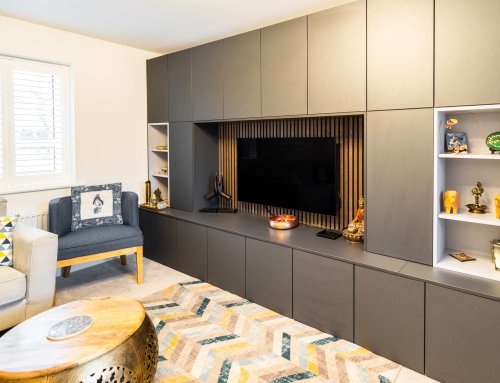
Modern vs Classic Kitchens: How to Choose the Right Style for Your Home
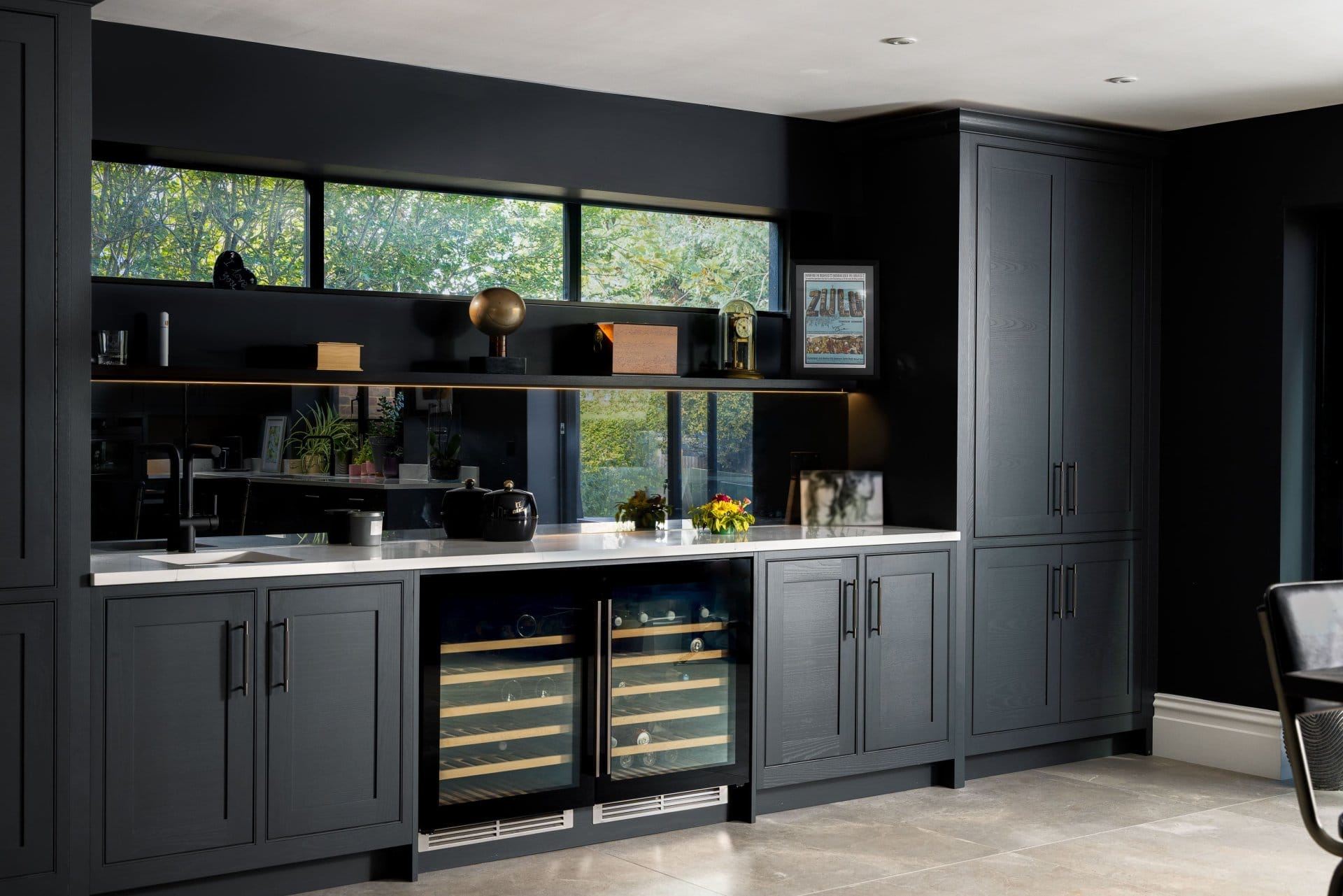
Choosing a new kitchen is one of the most exciting decisions you can make for your home. It’s also one of the most significant. A kitchen isn’t just a room; it’s the heart of daily life, the place where meals are prepared, conversations happen and memories are made. Getting the design right matters enormously.
One of the first decisions most homeowners face is whether to go modern or classic. Both styles have genuine appeal, and the right answer depends entirely on your home, your lifestyle, and what you want your kitchen to feel like every single day.
At Artizan Interiors, we design and install both modern kitchens and classic kitchens, and we’ve helped hundreds of homeowners across Surrey work through exactly this decision. Here’s what we’ve learnt.
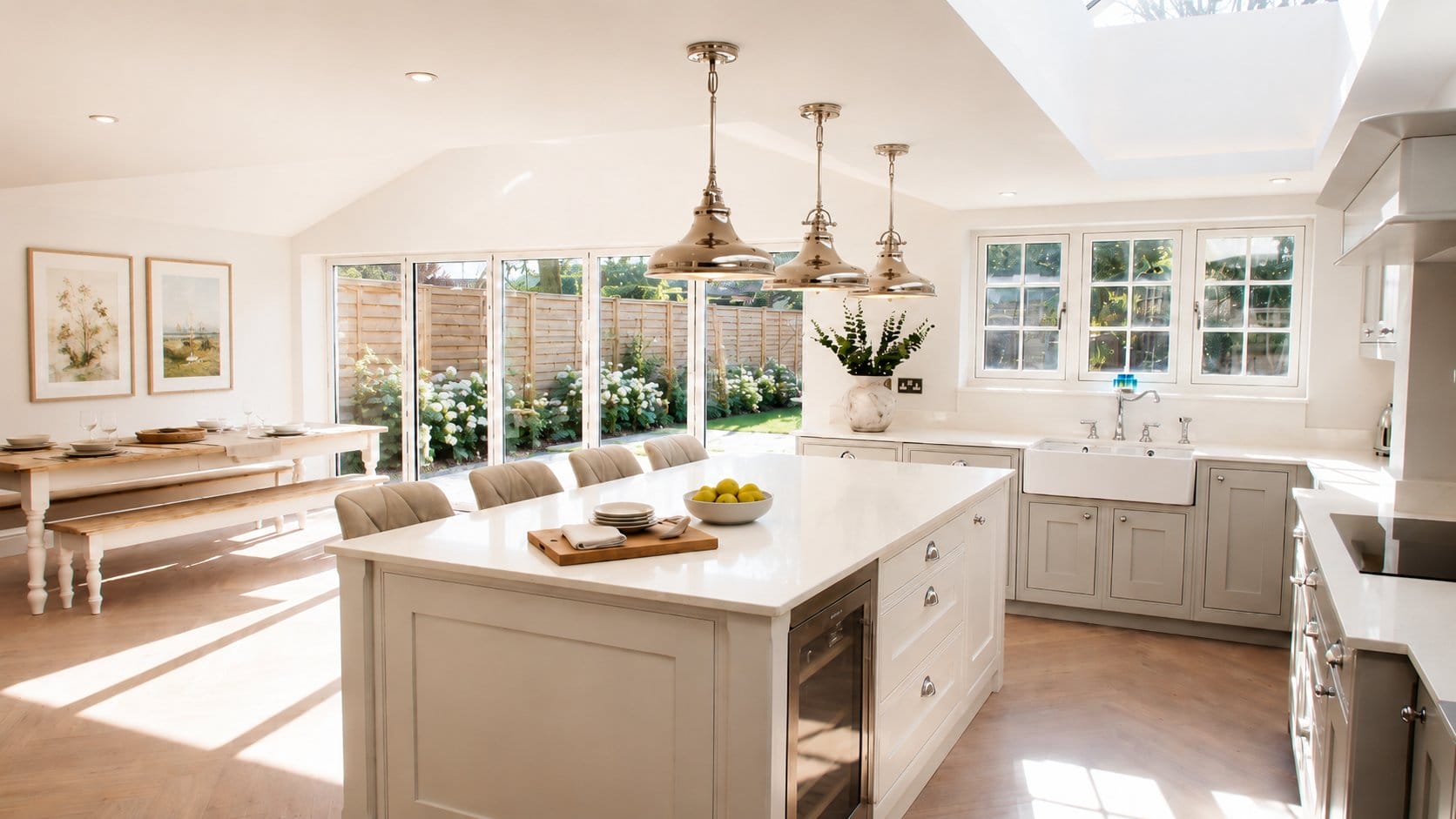
What Defines a Modern Kitchen?
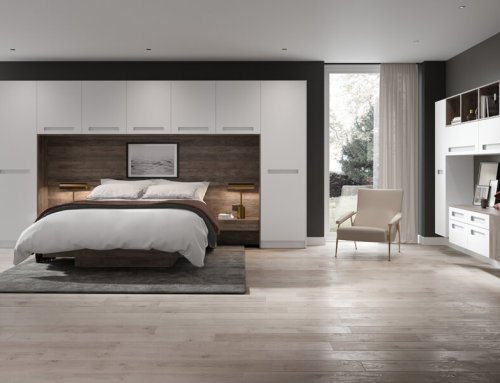
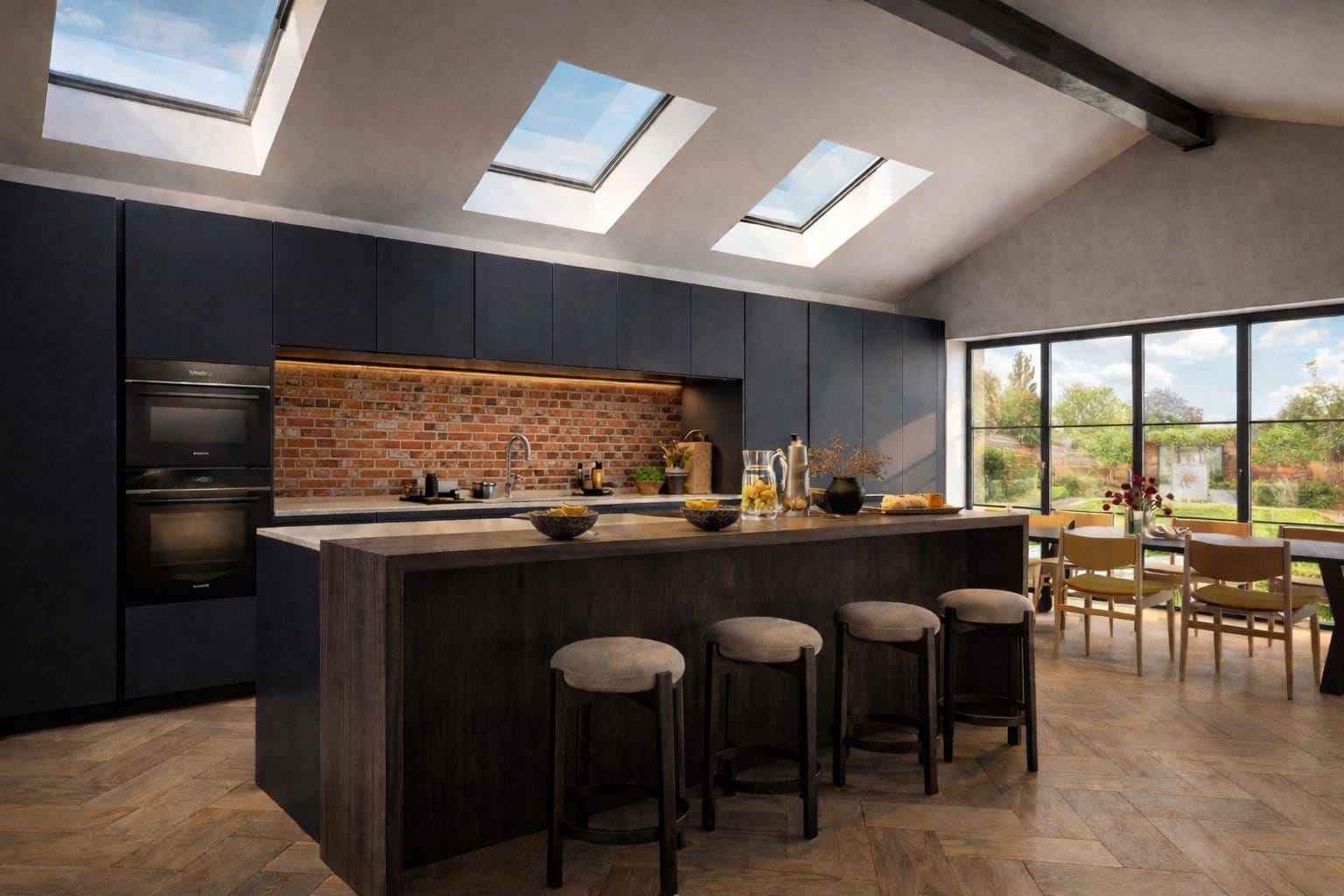
Modern kitchens are characterised by clean lines, minimal ornamentation and a strong emphasis on functionality. They often feature handleless cabinetry, flat-fronted doors, and a restrained colour palette that keeps the space feeling open and uncluttered.
The Appeal of Modern Design
The appeal of a modern kitchen lies in its simplicity. When everything is pared back, the quality of the materials and the precision of the installation become the focus. A well-executed modern kitchen feels effortlessly sophisticated.
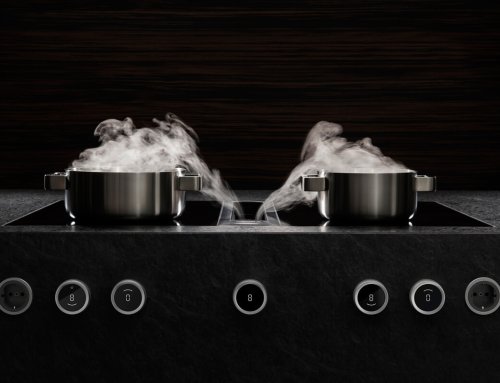
Practically speaking, modern kitchens also tend to integrate appliances seamlessly. Ovens, fridges, dishwashers and even hobs can be hidden or fully integrated so the kitchen reads as one cohesive surface rather than a collection of separate elements.
If you live in a contemporary home, have an open-plan layout, or simply prefer an uncluttered aesthetic, a modern kitchen is likely to feel very natural.
What Defines a Classic Kitchen?
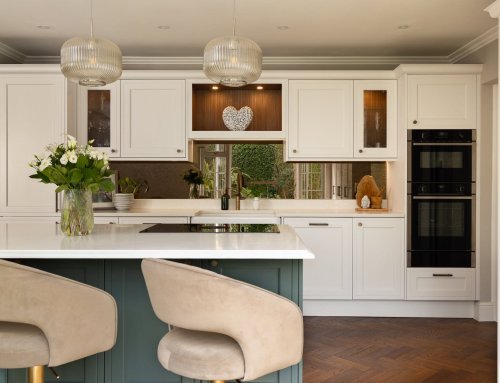
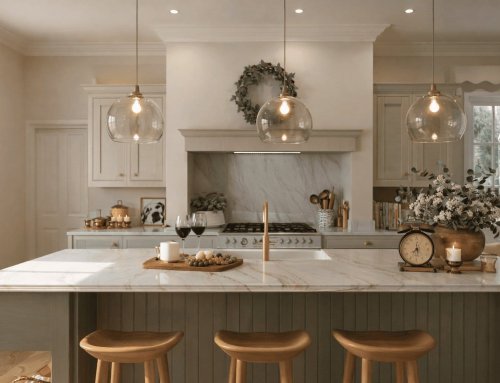
Classic kitchens draw on traditional cabinetry styles, with shaker-style doors, decorative detailing, and a warmth that feels rooted in craft and heritage. They tend to use richer materials, natural textures and a slightly more layered approach to colour and finish.
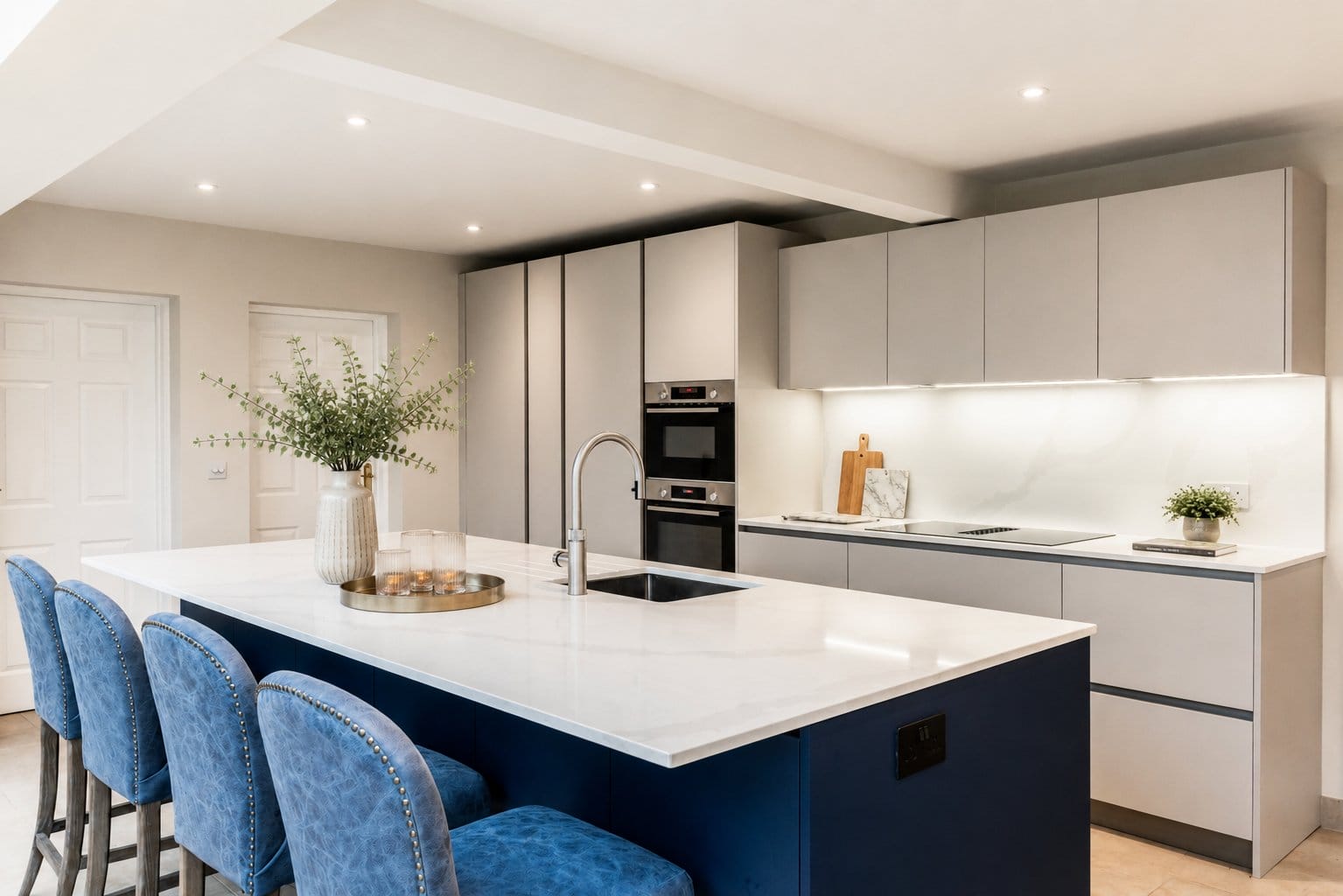
The Enduring Appeal of Classic Design
There’s a reason the classic kitchen never goes out of fashion. Done well, it feels timeless rather than trendy, and it brings a sense of character and warmth to a home that’s difficult to replicate with a purely modern approach.
Classic kitchens also tend to sit more comfortably in period properties. If your home has original features, high ceilings or traditional architecture, a classic kitchen is often the most natural fit. That said, there’s a growing trend for combining classic cabinetry with modern worktops, appliances and fixtures to create something that feels both familiar and fresh.
Key Factors to Help You Decide
Your Home’s Architecture
The architecture and character of your home is one of the strongest indicators of which direction to go. A Victorian terrace or a farmhouse-style property will almost always feel more at home with a classic kitchen. A new build or a home with lots of glass and open space will typically suit a modern approach.
How You Use Your Kitchen
Think about how your kitchen is used day to day. If you cook frequently and need everything to be highly functional and easy to clean, the streamlined surfaces of a modern kitchen may suit you well. If you prefer a more relaxed, informal atmosphere where the kitchen feels lived-in and welcoming, a classic design often delivers that better.
Your Long-Term Plans
Classic kitchens have a longer perceived lifespan in terms of style. Modern kitchens can date more quickly if the design follows a trend rather than a principle. It’s worth thinking about how you want the space to feel in ten years, not just today.
Can You Combine the Two?
Absolutely. Some of our most successful projects at Artizan blend elements of both styles. Classic cabinetry with a sleek quartz worktop. Modern handleless units with warm wood accents and traditional tiling. The key is to have a clear design vision that holds the two together rather than letting them compete. You can see examples of both approaches in our project gallery.
This is where working with an experienced designer makes a real difference. At Artizan, our team will help you explore the options, try different combinations and arrive at a design that feels uniquely right for your home.
Visiting Our Showroom
One of the best ways to help you decide is to see both styles in person. Our showroom in Chertsey features a range of kitchen displays across both modern and classic styles, giving you the chance to open doors, feel materials and get a genuine sense of how each design performs in real life.
We’d encourage anyone considering a new kitchen to visit us before making any decisions. Book a design appointment or explore our kitchen range online to start your journey.
Frequently Asked Questions
Is a modern or classic kitchen more expensive?
Cost is determined more by the materials, size and specification of the kitchen than the style itself. Both modern and classic kitchens can be designed to a range of budgets. During your consultation, we’ll discuss your budget openly and design accordingly.
Which kitchen style adds more value to a property?
Both styles can add value when designed and installed well. The key is ensuring the kitchen suits the character of the property. A high-quality classic kitchen in a period home and a well-executed modern kitchen in a contemporary property will both be viewed positively by buyers.
Can I change the style of my kitchen without a full renovation?
In some cases, yes. Door replacements, new worktops and updated fixtures can significantly change the feel of a kitchen without a full refit. Our team can advise on the best approach depending on your existing layout and your goals.
How long does a new kitchen project take from start to finish?
From the initial consultation to the final installation, most kitchen projects take between eight and sixteen weeks. Our project management service covers every stage, so you’ll always know exactly where things stand.
Where can I see examples of Artizan’s kitchen designs?
You can browse completed projects in our gallery and projects section, or visit our Chertsey showroom to see displays in person.