Creating the Perfect Snug: Small Living Spaces That Work Hard

Not every room needs to be big to earn its place in the home. A well-designed snug, whether it is a small second reception room or a quiet corner off an open-plan living space, can become one of the most used rooms in the house. Here is how to design one that genuinely works hard.
What Makes a Snug Different From a Living Room
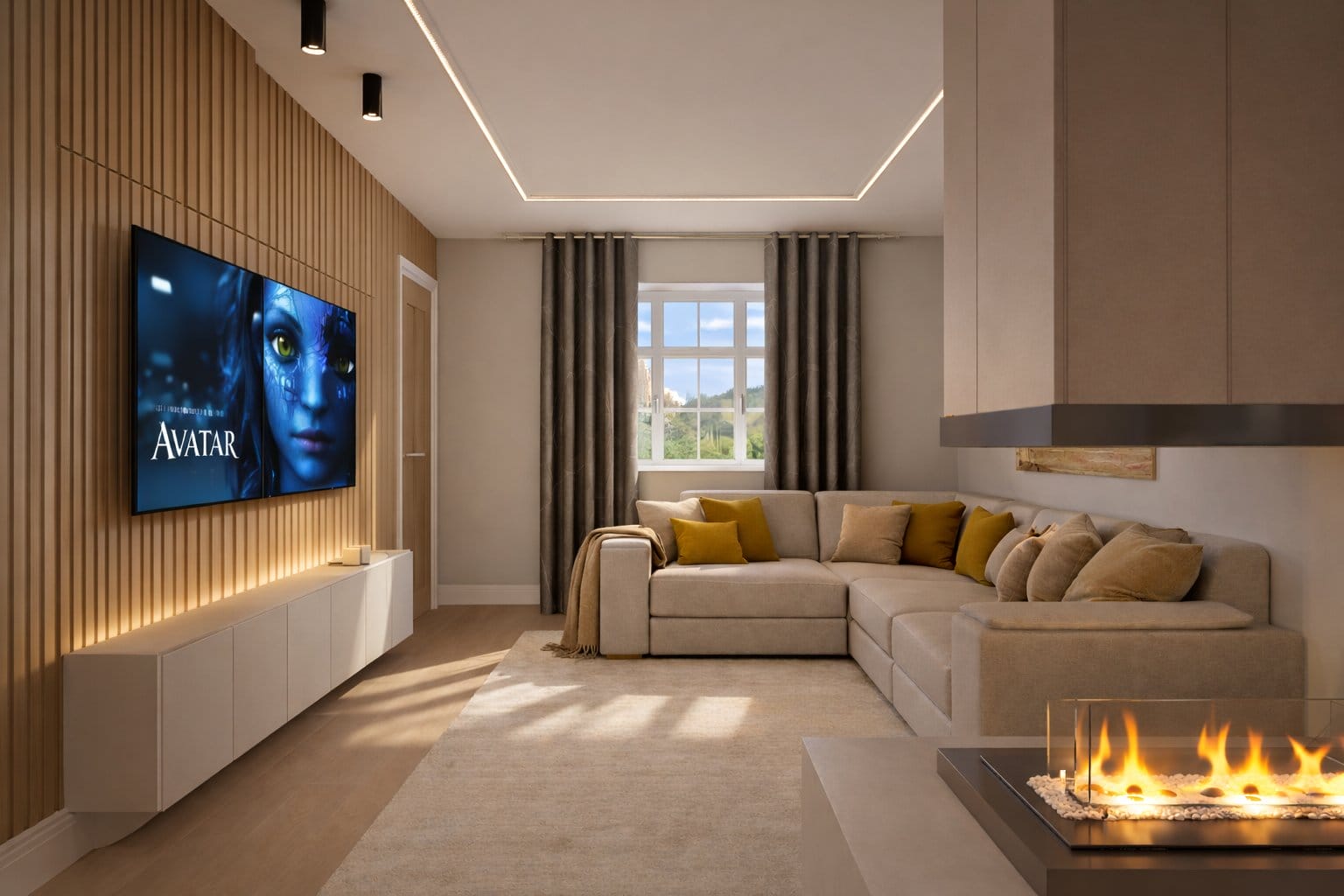
A snug is typically smaller and more intimate than a main living room, designed for relaxing rather than entertaining. It might be a quiet spot for evening television, reading, or somewhere for children to retreat to, separate from a busier open-plan kitchen-diner. Because the room is smaller, every piece of furniture and every design decision matters more than it would in a larger living space.
Choosing Furniture That Fits a Smaller Space
Scale is everything in a snug. Oversized sofas that work beautifully in a larger room can overwhelm a smaller one, so it is worth choosing furniture designed specifically for the space rather than simply downsizing what you already have. Built-in or bespoke seating, particularly window seats or corner benches, can be a brilliant way to maximise comfort without eating into valuable floor space.
Media Walls, Storage and Making a Snug Feel Complete
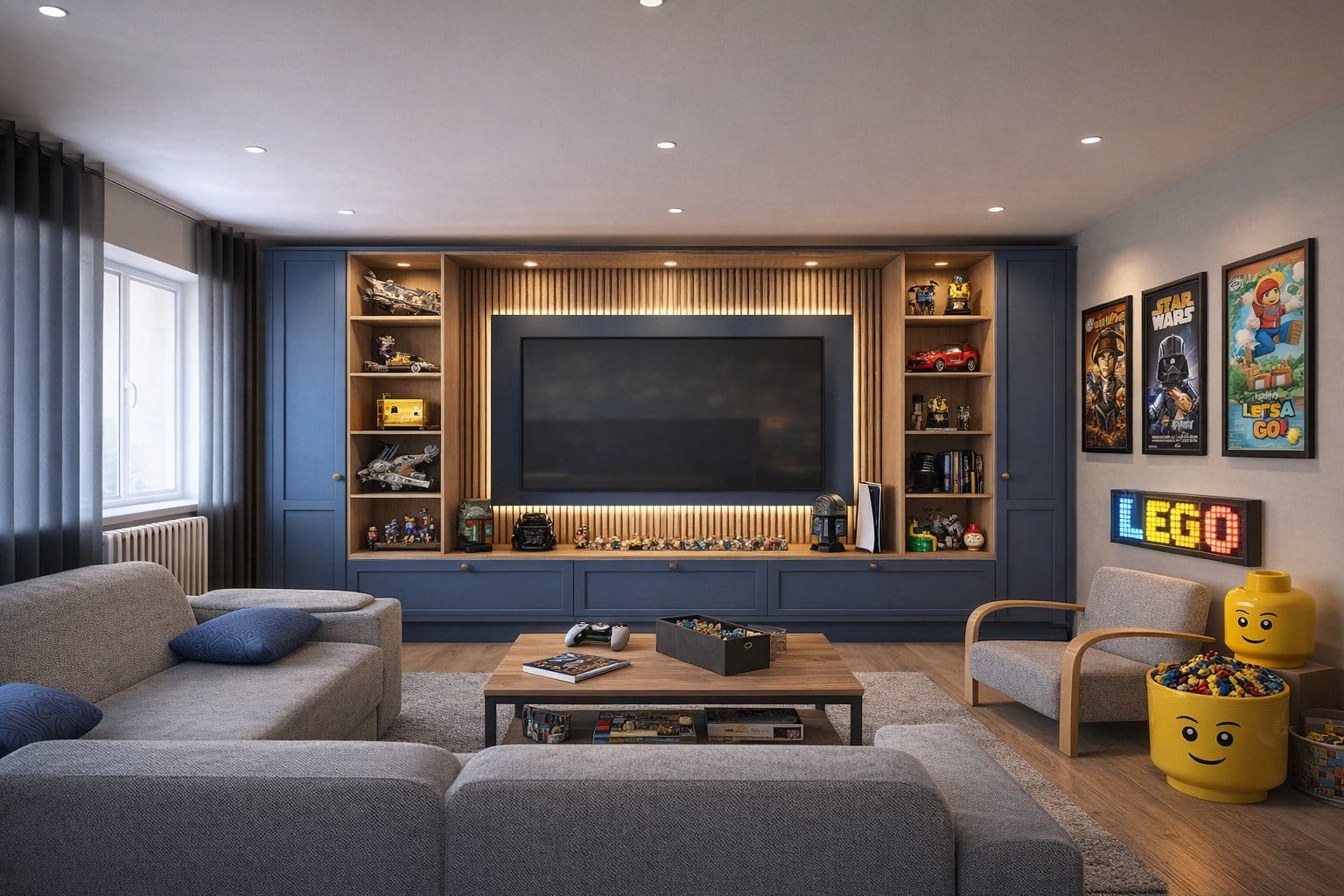
A bespoke media wall is often the natural focal point of a snug, combining a television, storage and display shelving into one considered piece rather than a scattering of separate furniture. If you would like to explore this in more depth, our guide to bespoke media walls covers exactly how this works. Built-in storage either side of a chimney breast or along a single wall also helps keep a small room feeling calm, using the same principles found in our piece on bespoke storage solutions.
Lighting and Layout for Cosy, Multi-Use Rooms
Layered lighting makes a huge difference in a snug. Rather than relying on a single central light, combine wall lights, lamps and dimmable downlights to create a warm, adaptable atmosphere for different times of day. When it comes to layout, keep pathways clear and avoid overcrowding the room with too many pieces, a snug should feel cosy, not cramped.

Where a Snug Works Best in Your Home
Snugs work particularly well in homes with an open-plan kitchen-diner, offering a quieter alternative when the main living space is busy. They are also a popular addition when converting an underused dining room or a small ground-floor room that does not currently have a clear purpose. Wherever it sits in your home, a snug should feel like a natural extension of your overall interior design, rather than a disconnected afterthought.
If you are thinking about creating a snug or reworking an existing living space, our designers would be happy to talk through the options. Browse our project gallery for inspiration or get in touch to arrange a consultation.
Frequently Asked Questions
What is the ideal size for a snug?
There is no set size for a snug. Many work well in rooms of just a few square metres, provided the furniture and layout are scaled correctly for the space.
Is a media wall a good addition to a small snug?
Yes, a bespoke media wall combines television, storage and display space into one considered feature, making it ideal for smaller rooms.
How can I stop a small snug feeling cramped?
Choose furniture scaled to the room, keep pathways clear, and use built-in storage rather than freestanding pieces to reduce visual clutter.
What lighting works best in a snug?
Layered lighting, combining wall lights, lamps and dimmable downlights, creates a warmer and more adaptable atmosphere than a single central light.
Can a snug be created from an underused dining room?
Yes, an underused dining room is one of the most common spaces to convert into a snug, particularly in homes with an open-plan kitchen-diner elsewhere.