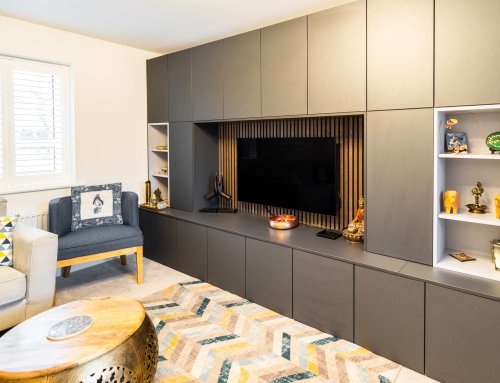
Walk-In Wardrobes and Dressing Rooms: The Ultimate Bedroom Upgrade
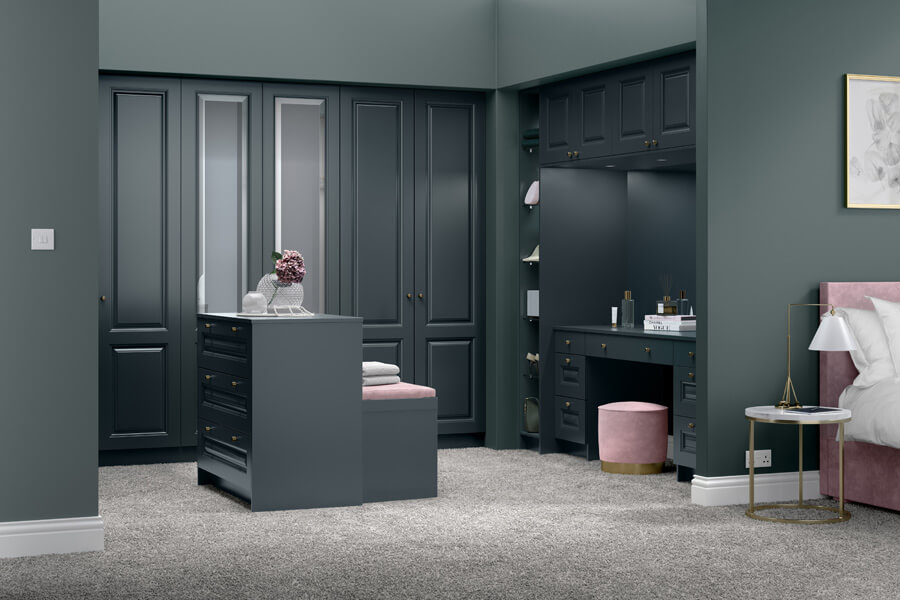
A walk-in wardrobe or dedicated dressing room is one of those additions that, once you have it, you wonder how you ever managed without it. It is also one of the most requested upgrades we see from clients renovating their bedrooms, and it does not always require as much space as people expect.
Why More Homeowners Are Investing in a Dedicated Dressing Space
A walk-in wardrobe does more than store clothes. It keeps the bedroom itself calmer and clutter-free, gives everything a proper home, and turns getting ready in the morning into a far more enjoyable part of the day. For many of our clients it is also about maximising the value and usability of a spare room, box room or awkward landing space that was not being used well before.
Walk-In Wardrobe vs Fitted Wardrobe: Which Is Right for You
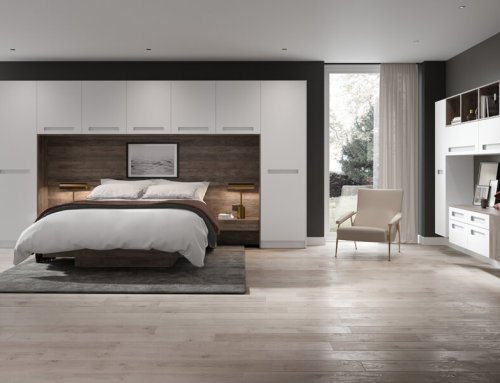
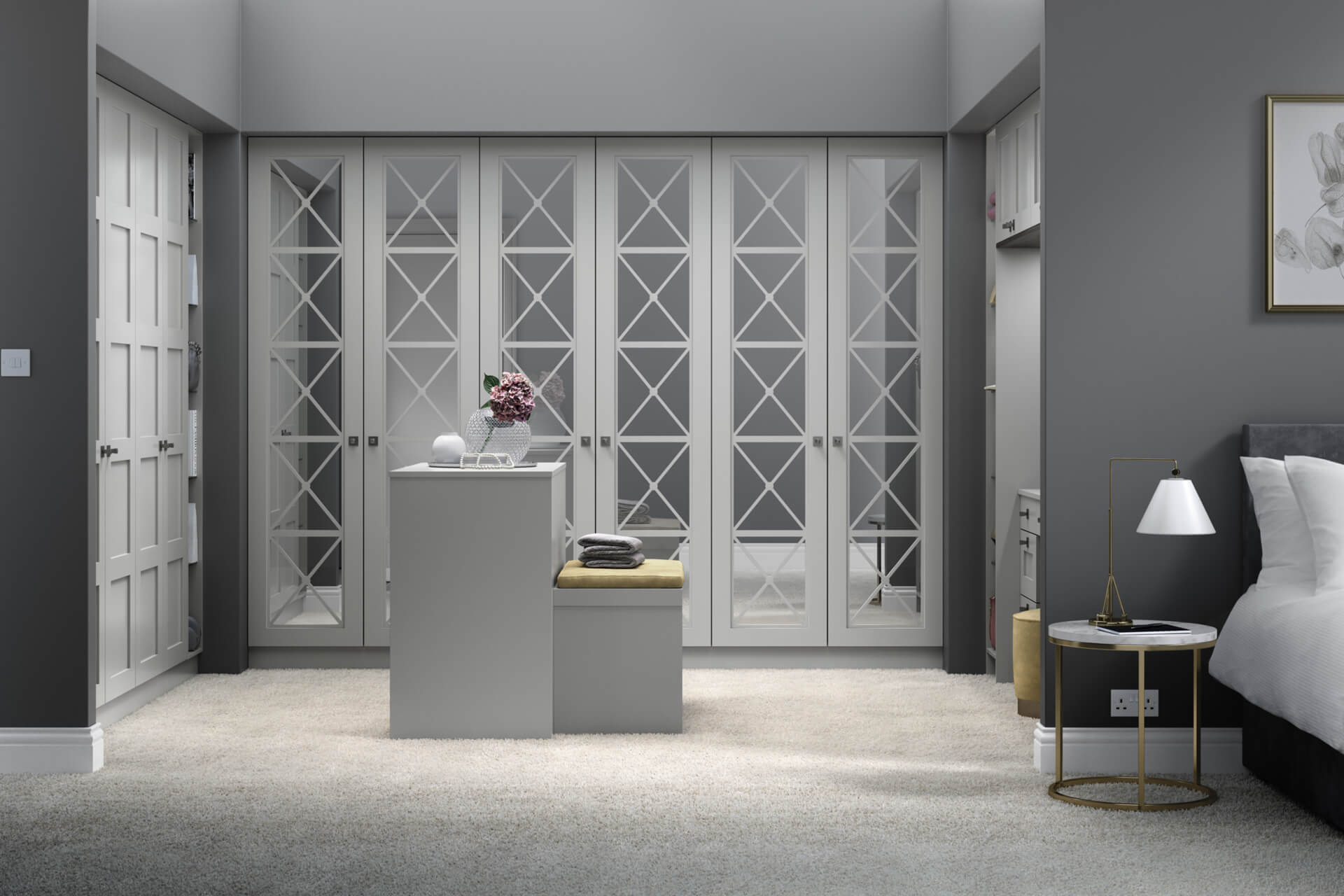
A fitted wardrobe built along a bedroom wall is a brilliant solution when space is tight, offering excellent storage without needing a separate room. A walk-in wardrobe or dressing room, on the other hand, is the better choice if you have access to a small adjoining space, whether that is a box room, part of a landing, or an area created by an extension. It offers a more indulgent, boutique-style experience and often more storage overall, since you can use every wall rather than just one.
Designing a Walk-In Wardrobe That Works for Your Lifestyle
The best walk-in wardrobes are designed entirely around how you actually get dressed, not a generic template. That means considering hanging space for long and short items separately, drawer space for folded clothing, shoe storage that keeps pairs visible, and space for accessories, jewellery or bags. If you and a partner share the space, we often design each side individually so that storage matches each person’s wardrobe rather than splitting everything down the middle.
Lighting, Mirrors and Finishing Touches
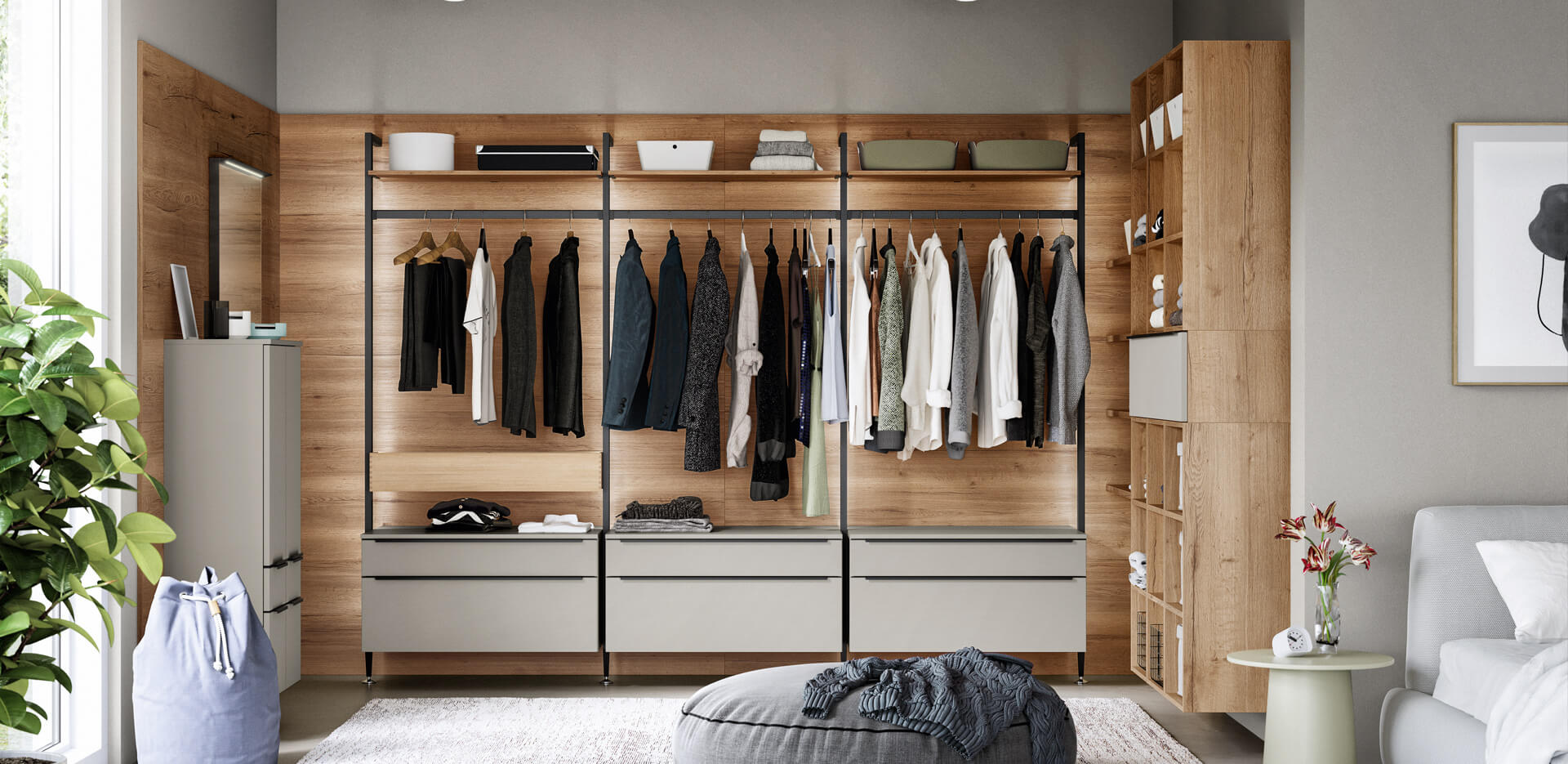
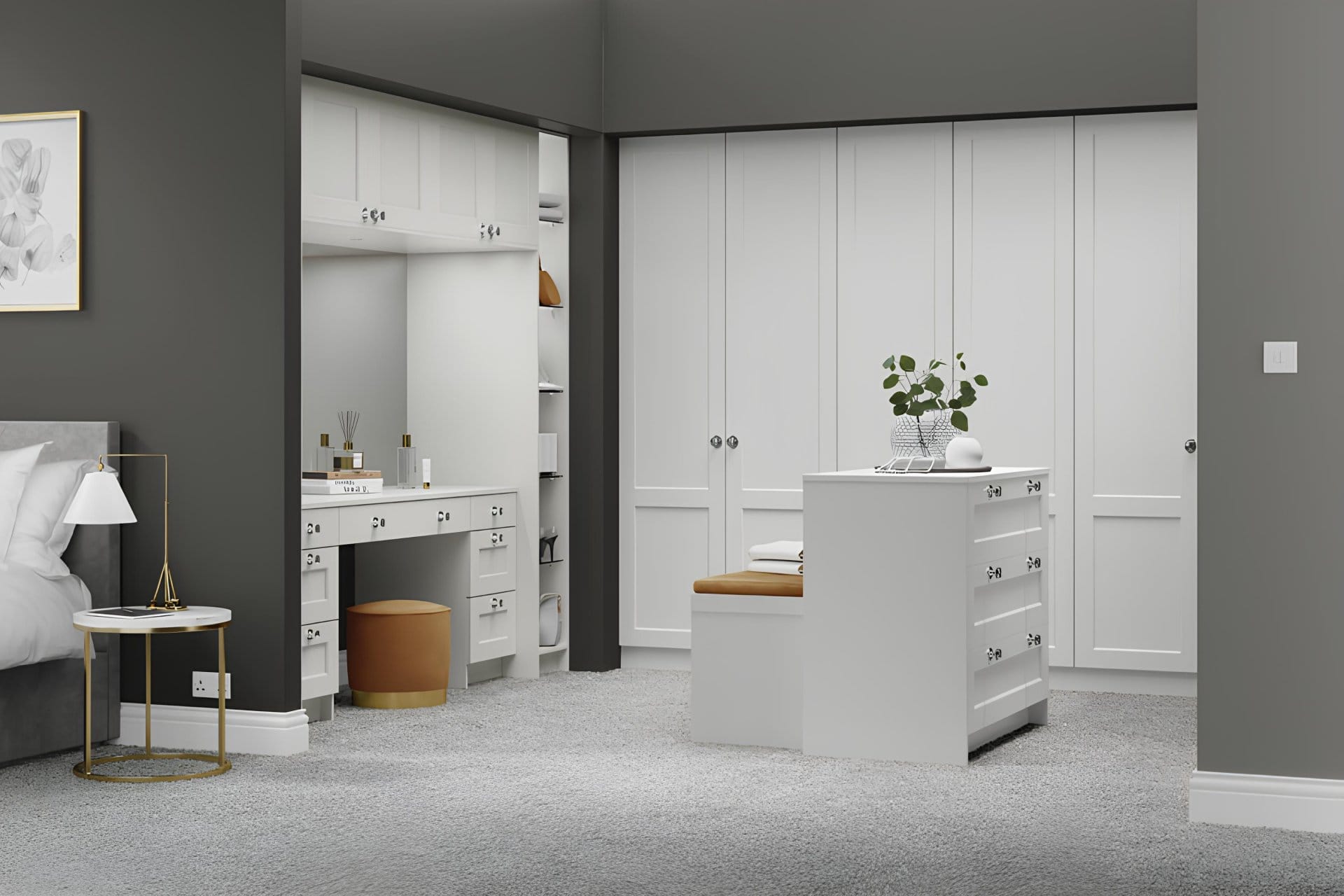
Good lighting transforms a dressing room from purely functional into genuinely enjoyable to use. LED strip lighting inside wardrobes and drawers helps you see exactly what you have, while a well-placed full-length mirror, ideally lit from the sides rather than above, makes a real difference when choosing an outfit. Small details like a seating area or an island unit with a soft-close jewellery drawer add a boutique feel that makes the space feel genuinely bespoke.
Making the Most of an Awkward or Box Room
Some of our favourite walk-in wardrobe projects have started life as an oddly shaped box room or an underused part of a landing. With the right design, sloped ceilings, alcoves and narrow spaces can all be turned into efficient, good-looking storage rather than wasted space. This is exactly the kind of transformation covered in our guide to bespoke bedroom design, which looks more broadly at how fitted furniture can reshape an entire room.
If you are considering a walk-in wardrobe or dressing room, our bedroom design team would love to talk through the possibilities for your space. You can also see recent projects in our gallery or get in touch to arrange a consultation.
Frequently Asked Questions
How much space do I need for a walk-in wardrobe?
Many walk-in wardrobes can be designed in a box room or small landing space of just a few square metres, particularly when a bespoke layout is used to maximise every wall.
Is a walk-in wardrobe better than fitted wardrobes?
It depends on the space available. Fitted wardrobes suit bedrooms where floor space is limited, while a walk-in wardrobe is ideal if you have access to a small adjoining room.
Can a walk-in wardrobe be designed for a couple sharing the space?
Yes, it is common to design each side individually so that hanging space, drawers and shelving match each person’s wardrobe and daily routine.
What lighting works best in a dressing room?
Internal LED lighting within wardrobes and drawers, combined with a side-lit full-length mirror, gives the clearest, most flattering light for getting dressed.
Can an awkward or sloped-ceiling room be used as a walk-in wardrobe?
Yes, bespoke design is particularly good at working around sloped ceilings, alcoves and unusual shapes that standard furniture cannot accommodate.